Construction Workforce: Bridging the Gap Between the Classroom and the Construction Site
Developing Skilled Engineers Requires Innovation in University Education
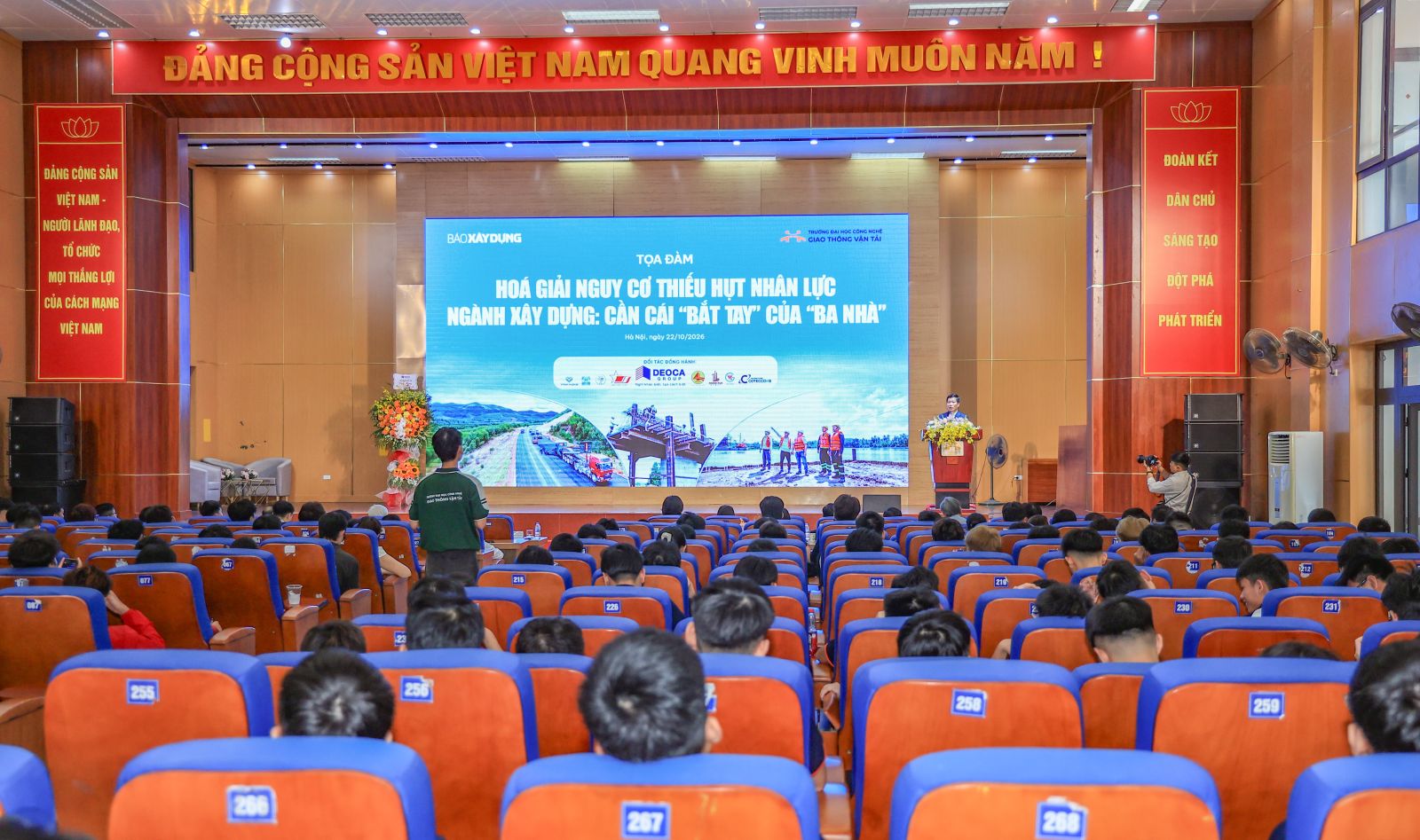
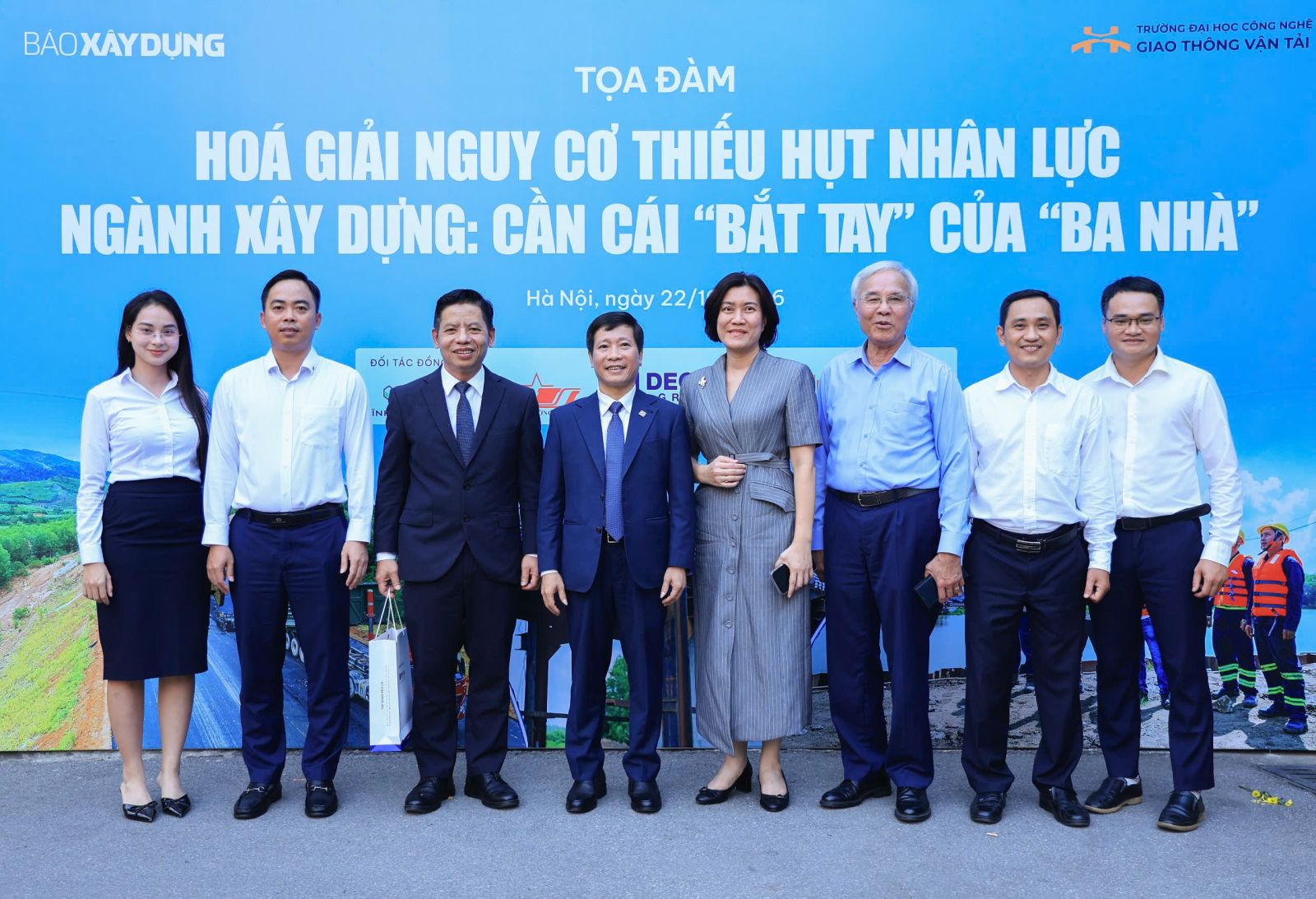
On the afternoon of 22 October, Construction Newspaper organised a seminar entitled “Addressing the Risk of Workforce Shortages in the Construction Sector: The Need for Collaboration Among Three Key Stakeholders” at the University of Transport Technology (UTT) in Hanoi. The seminar brought together representatives of government authorities, educational institutions, experts and a large number of students to identify challenges in human resource development and propose solutions to meet the requirements of major infrastructure projects in the coming years.
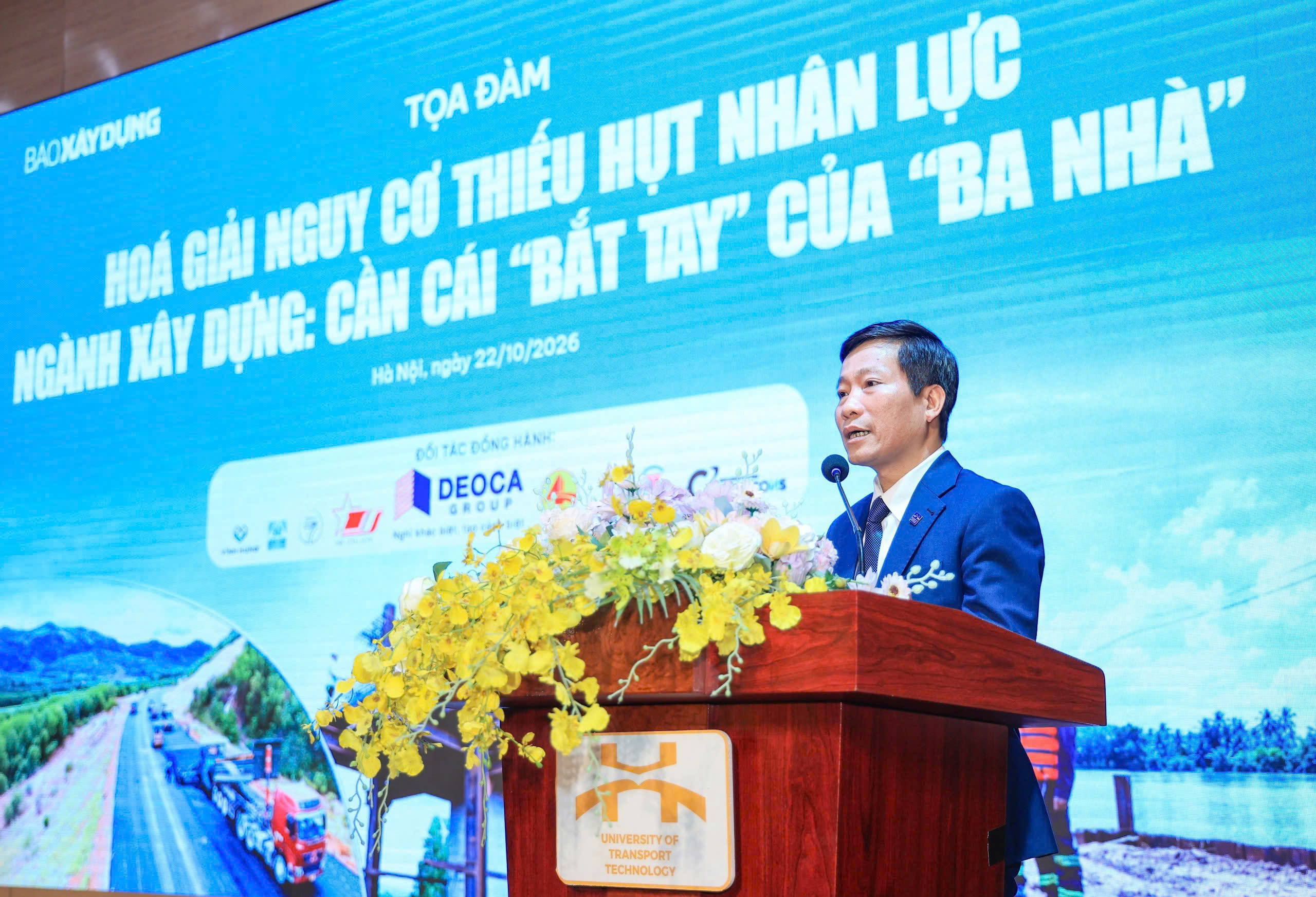
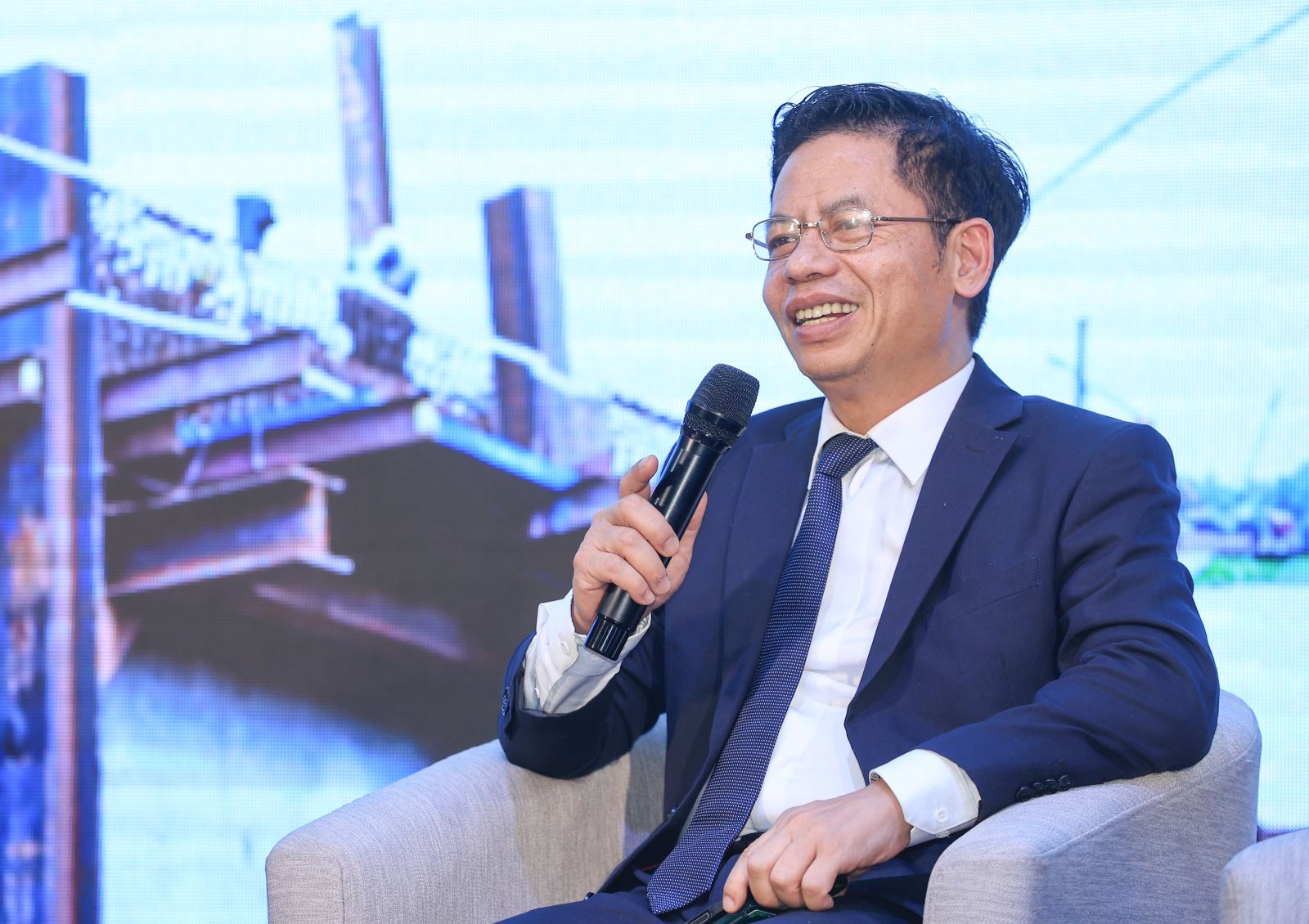
Assoc. Prof. Dr. Nguyen Hoang Long, Rector of the University of Transport Technology
Speaking at the seminar, Assoc. Prof. Dr. Nguyen Hoang Long, Rector of the University of Transport Technology, described the event as a practical forum for government authorities, educational institutions, businesses and students to exchange views, identify difficulties and challenges, and propose solutions to improve the effectiveness of human resource development in the construction sector.
According to the Rector, although the sector's demand for workers is substantial, education and student recruitment have continued to face certain limitations. Communication activities have also fallen short of expectations, leaving the public without a full understanding of workforce demand, career opportunities and the practical requirements of the sector.
As Vietnam accelerates investment in transport infrastructure and implements numerous large-scale projects, demand for engineers, technical personnel and skilled workers continues to increase. However, the workforce challenge is not merely about the number of graduates but also about their ability to meet job requirements after completing their studies.
This situation calls for a more comprehensive assessment of workforce structure, professional qualifications, practical skills and adaptability to new technologies. A training programme that focuses solely on theoretical knowledge is unlikely to ensure that graduates can quickly adapt to construction schedules, working procedures and unexpected situations on construction sites.
The gap between classroom knowledge and the practical requirements of businesses has therefore become an issue requiring urgent attention. Without effective coordination mechanisms, universities may struggle to keep pace with changes in the labour market, while businesses must continue to invest additional time and resources in retraining newly recruited employees.
Sharing insights into the University's educational activities, Assoc. Prof. Dr. Nguyen Hoang Long stated that the University of Transport Technology currently has more than 25,000 students, with over 70% of its training programmes directly serving the transport and construction sectors. The University has nearly 1,000 lecturers and remains committed to an applied technology-oriented educational philosophy, emphasising the connection between academic knowledge and practical experience.
Throughout its development, the University has made considerable efforts to invest in facilities and equipment and improve the quality of its teaching staff, enabling students to adapt more quickly to professional work after graduation. Nevertheless, educational institutions' access to and application of practical industry experience have not kept pace with the sector's development and the increasingly demanding expectations of society and the labour market. This requires universities to continue innovating their teaching methods while strengthening partnerships with businesses.
Against this background, training programmes must be developed in closer alignment with market demand and the specific requirements of individual job positions. Greater emphasis should be placed on practical training and technological applications, enabling students not only to acquire solid professional knowledge but also to develop the skills needed to perform effectively in real working environments.
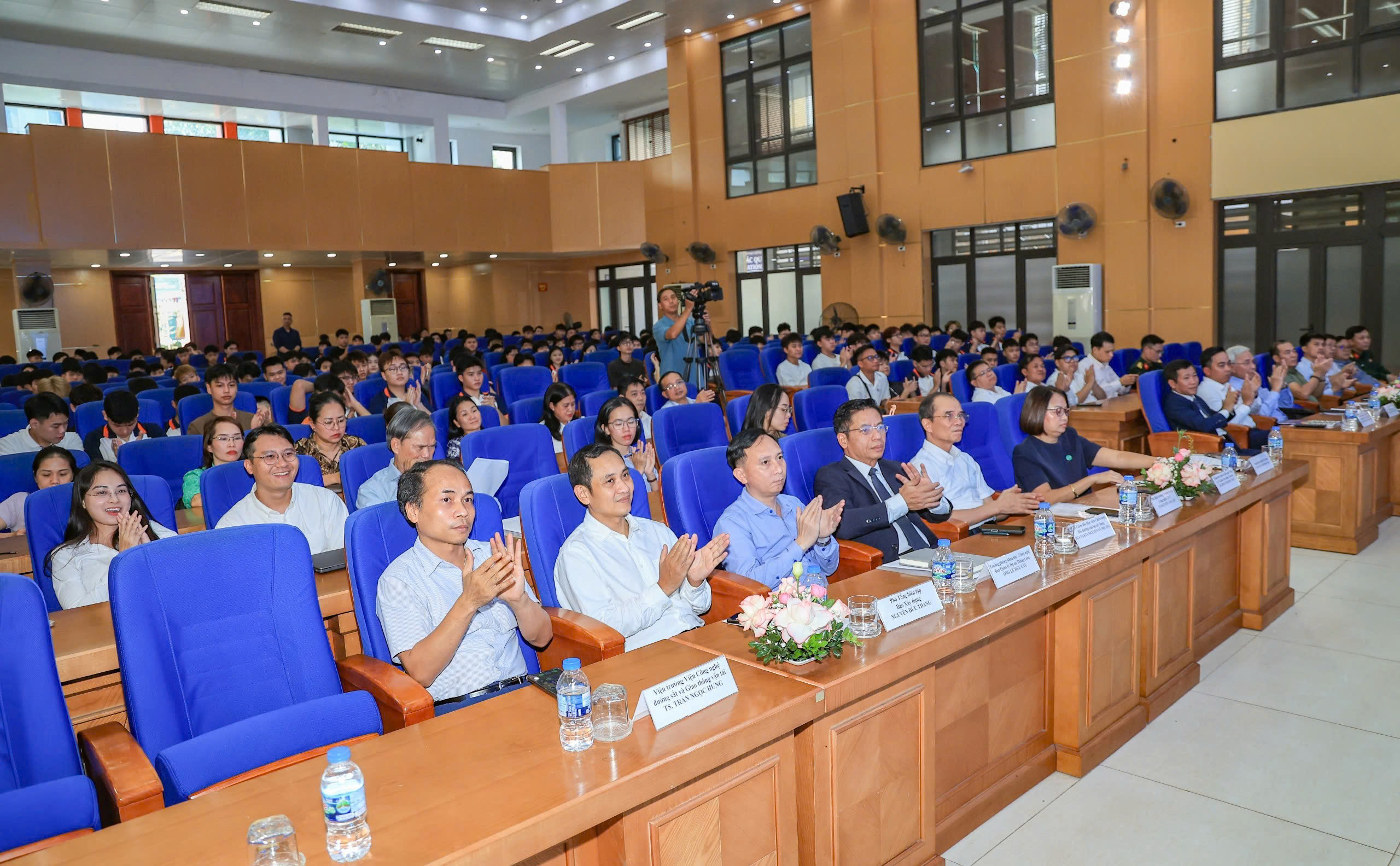
The seminar attracted numerous experts, business representatives and students.
Bringing Businesses into the Classroom and Students onto Construction Sites
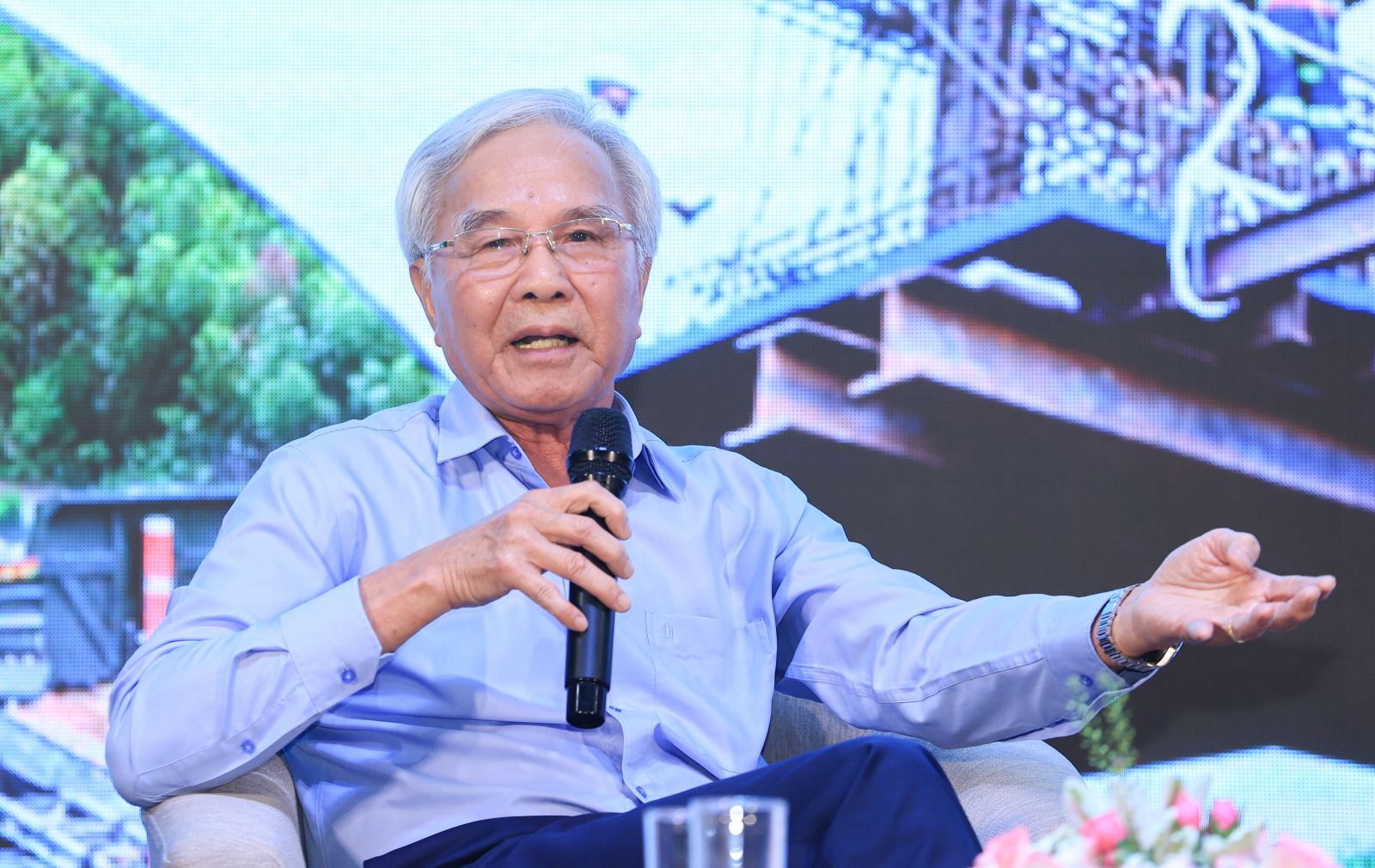
Discussing workforce requirements in the construction sector, Assoc. Prof. Dr. Nguyen Vu Phuong, an architect and Deputy Director of the Academy for Construction Strategy and Cadre Training, emphasised that one of the most important priorities is helping students gain a clearer understanding of their chosen professions, working environments and the practical demands of the labour market while they are still at university.
According to Mr. Phuong, following organisational restructuring and consolidation, the Academy for Construction Strategy and Cadre Training has been assigned additional responsibilities, including the training and professional development of strategic-level personnel in the transport and construction sectors. Alongside its training activities, the Academy participates in research, policy development, workforce demand forecasting and the formulation of human resource development solutions across various fields.
Drawing on his experience of participating in transport and construction workforce training projects, Mr. Phuong stressed that education should not be limited to providing professional knowledge. Students need early exposure to practical working environments, a clear understanding of their future responsibilities and opportunities to develop the skills required after graduation.
This is particularly important as transport infrastructure projects increasingly demand advanced technical expertise, professional construction management and the ability to apply modern technologies. Early exposure to construction sites helps students better understand construction procedures, quality management, occupational safety and coordination among different departments within a project.
To facilitate practical learning, businesses should become more deeply involved in education, from supporting internships and organising construction site visits to introducing technologies and working procedures. Through these activities, students can gain a clearer understanding of the requirements of individual job positions, the skills they need and the competencies expected by employers.

Business participation also provides educational institutions with a stronger basis for adjusting curricula, updating knowledge and improving teaching methods. Rather than developing programmes primarily from an academic perspective, universities can work with employers to identify the specific competencies students should achieve upon graduation.
According to Mr. Nguyen Hoang Long, businesses should participate throughout the educational process, from curriculum development and defining learning outcomes to organising practical training, internships and student competency assessments. Aligning education with recruitment needs, while implementing professional development programmes for engineers and workers, will contribute to improving the overall quality of the sector's workforce.
For such partnerships to be effective, internships must be meaningful, with clearly defined objectives and activities. Students should be assigned tasks relevant to their fields of study, receive appropriate supervision and have their performance assessed after completing their practical experience. Businesses should also regard internships as opportunities to identify, recruit and develop promising talent rather than simply accepting students as a formality.
Conversely, educational institutions should proactively understand businesses' production and operational plans and workforce requirements to develop appropriate training strategies. When curricula are closely linked to specific job positions, students can establish clearer career directions, while businesses can reduce the time newly recruited employees need to adapt to their roles.
From the perspective of a specialised professional institution, Mr. Nguyen Vu Phuong also highlighted the importance of strengthening scientific and technological capabilities among young workers. As artificial intelligence (AI) and digital transformation increasingly influence the construction, management and operation of infrastructure, students must be equipped with technological knowledge and the ability to adapt to rapid changes in the labour market.
According to Mr. Phuong, addressing workforce challenges in the construction sector involves more than meeting numerical targets. It also requires ensuring workforce quality, an appropriate skills structure and adaptability at different stages of development. Training programmes must be regularly updated to reflect practical requirements, avoiding situations in which graduates need considerable additional time before they can meet employers' expectations.
Preparing for the Infrastructure Development Boom and Preventing Workforce Shortages
One of the key areas discussed at the seminar was workforce training for railway development. As investment in transport infrastructure continues to increase, preparing personnel with expertise suited to new technologies and technical standards has become increasingly important.
Mr. Nguyen Hoang Long stated that Hanoi authorities and the Ministry of Construction have recently worked with international organisations to implement a cooperation programme aimed at establishing a railway technology training institution under the University of Transport Technology.
The project aims to establish a practice-oriented training institution that incorporates European standards, thereby improving educational quality and meeting workforce demand for upcoming railway projects.
This is considered a necessary direction as the railway sector involves numerous specialised professional requirements, ranging from infrastructure construction and technical systems to operations management, maintenance and safety assurance. Workforce preparation cannot begin only when projects enter the construction phase; it must be undertaken early and aligned with investment schedules and employment needs.
For educational institutions, developing specialised railway training programmes requires coordinated investment in teaching staff, practical training equipment, learning resources and access to technology. Cooperation with international organisations, businesses and specialised institutions will enable students to gain exposure to advanced experience, technical standards and educational methods.
At the same time, government authorities need to establish long-term workforce development strategies, identifying priority occupational groups and professional qualification levels. This will provide a foundation for universities to develop appropriate student recruitment plans, organise training and allocate resources effectively, avoiding mismatches between education and labour market demand or workforce shortages when projects enter their peak implementation stages.
From a human resource development perspective, Mr. Nguyen Vu Phuong stated that workforce demand for expressway construction could exceed 150,000 people. This figure illustrates the considerable scale of labour requirements while highlighting significant challenges in workforce education, professional development and allocation.
However, substantial workforce demand also creates extensive career opportunities for educational institutions and students in the transport and construction sectors. With effective coordination among government authorities, universities and businesses, this demand can become a driving force for educational innovation, improvements in workforce quality and the creation of additional employment opportunities for young engineers.
More Photos: