


Promoting the Application of Digital Technologies in Construction and Transport Infrastructure
On the afternoon of April 23, 2026, the Faculty of Information Technology, University of Transport Technology (UTT), organized a scientific workshop titled “Digital Technologies for Construction and Transport Infrastructure.”
Attending the workshop were distinguished guests, including: Mr. Le Thanh Tung – Director of the Information Technology Center, Ministry of Construction; Assoc. Prof. Dr. Ha Quoc Trung – Deputy Director of the National Center for Technological Innovation (NACENTECH), Ministry of Science and Technology; Mr. Do Minh Phuc – Strategy and Urban Development Planning Division, Urban Development Agency, Ministry of Construction; Dr. Vu Xuan Manh – National Center for Technological Innovation (NACENTECH); and Prof. Dr. Nguyen Duc Anh – expert in software technology and digital transformation.
On the side of UTT, participants included Dr. Tran Thanh An – Vice Rector; Dr. Le Chi Luan – Dean of the Faculty of Information Technology; Assoc. Prof. Dr. Ngo Thi Thanh Huong – Head of the Office of Science, Technology and International Cooperation; leaders of academic divisions, along with a large number of lecturers, students, and research groups.
.jpg)
Dr. Tran Thanh An – Vice Rector of the University delivered remarks at the workshop.
.jpg)
Dr. Tran Thanh An presented flowers to the speakers.
In the thematic presentations, speakers delivered in-depth insights closely aligned with practical implementation in Vietnam. Mr. Le Thanh Tung – Director of the Information Technology Center (Ministry of Construction) presented an overview of Intelligent Transportation Systems (ITS) deployment in the road sector. The presentation clarified the legal and practical foundations of ITS, emphasizing the application of information technology, communication technologies, and management science to optimize infrastructure operations, ensure safe, smooth, efficient, and environmentally friendly transportation.
Notably, the presentation outlined key components of ITS, including traffic monitoring and control systems, electronic toll collection, transport vehicle management, traffic information provision, and integrated operation centers. In practice, Vietnam has deployed ITS across 11 expressways, utilizing technologies such as CCTV, VMS, ETC, and WIM, thereby enhancing infrastructure management and operation capacity.
.jpg)
Mr. Le Thanh Tung – Director of the Information Technology Center (Ministry of Construction) presented the overview of ITS deployment in the road sector.
In addition, Mr. Do Minh Phuc – representative of the Urban Development Agency (Ministry of Construction) delivered a presentation on smart urban development in Vietnam, highlighting the role of digital technologies in planning, construction, and management of modern urban infrastructure. The report clarified the concept of smart cities based on three core pillars: technology, data, and people, while systematizing the implementation process from pilot projects to the development of a national legal framework, particularly policies such as the Decree on smart city development.
Based on identified practical challenges, the report emphasized the need to develop integrated digital infrastructure, advance intelligent transport and technical infrastructure systems, and complete evaluation criteria to promote sustainable digital transformation in construction and transport infrastructure, with a people-centered approach.
.jpg)
Mr. Do Minh Phuc – representative of the Urban Development Agency (Ministry of Construction) presented on smart urban development in Vietnam.
From the perspective of research and technology application, Dr. Vu Xuan Manh introduced several technological solutions for transportation, based on practical research projects implemented during the period 2012–2022.
Key highlights included applications of image processing for vehicle density analysis, RFID technology in railway transport management, intelligent traffic signal control systems, train driving simulation systems, and landslide warning solutions for mountainous transportation. The report also demonstrated the potential for collaboration between research institutions and educational institutions in developing simulation systems to support high-quality human resource training in the transport sector.
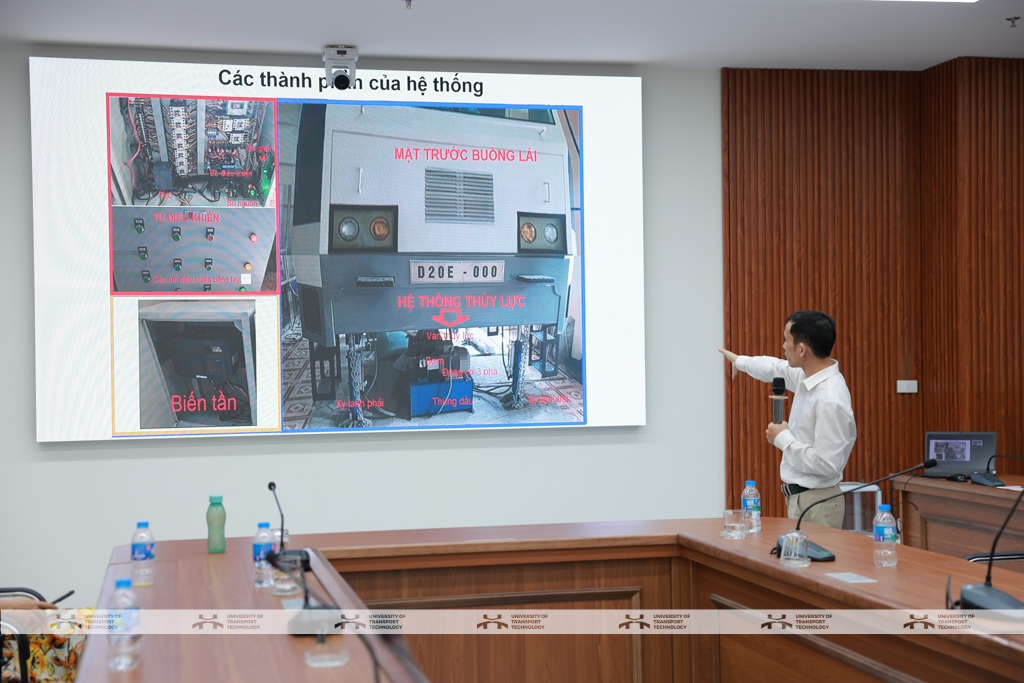
Dr. Vu Xuan Manh – NACENTECH presented technological solutions for transportation at the workshop.
Notably, Prof. Dr. Nguyen Duc Anh presented research on developing a feasibility assessment framework for blockchain applications in the construction sector. The presentation emphasized that blockchain is not only a digital asset technology but also a decentralized, transparent data management platform that operates without intermediaries.
Based on international studies and the Vietnamese context, the research group proposed an evaluation model comprising seven groups of factors, including: necessity of the problem, level of digitalization and data readiness, governance and coordination mechanisms, legal framework, economic efficiency, and scalability. The report also identified common barriers such as difficulties in measuring effectiveness, legal risks, and limitations in integrating with existing systems.
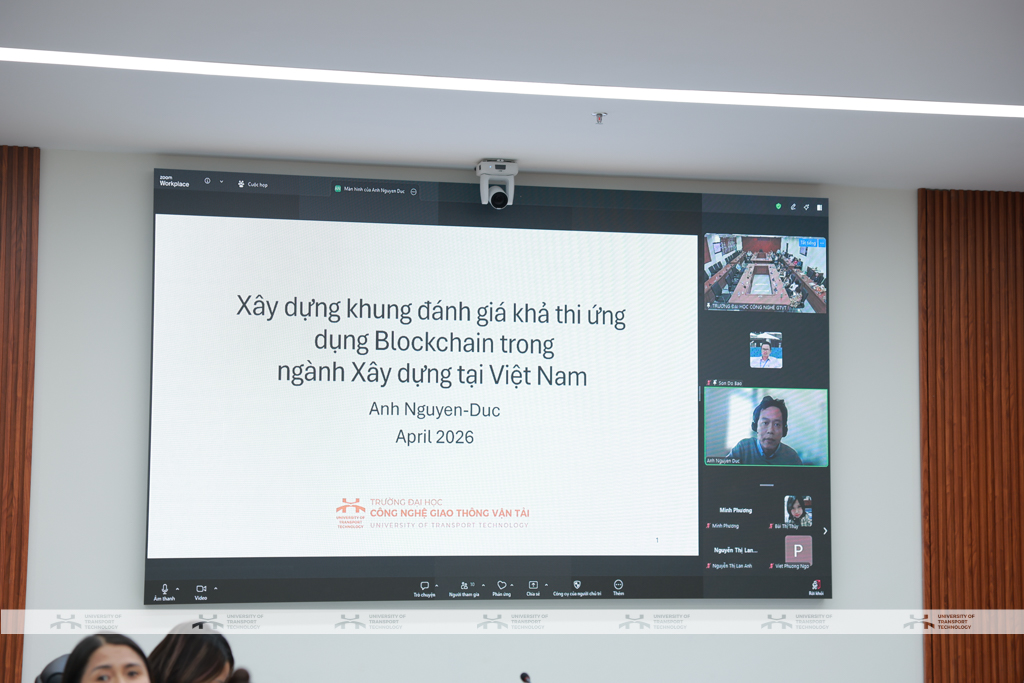
Prof. Dr. Nguyen Duc Anh shared research on developing a feasibility assessment framework for blockchain applications in the construction sector.
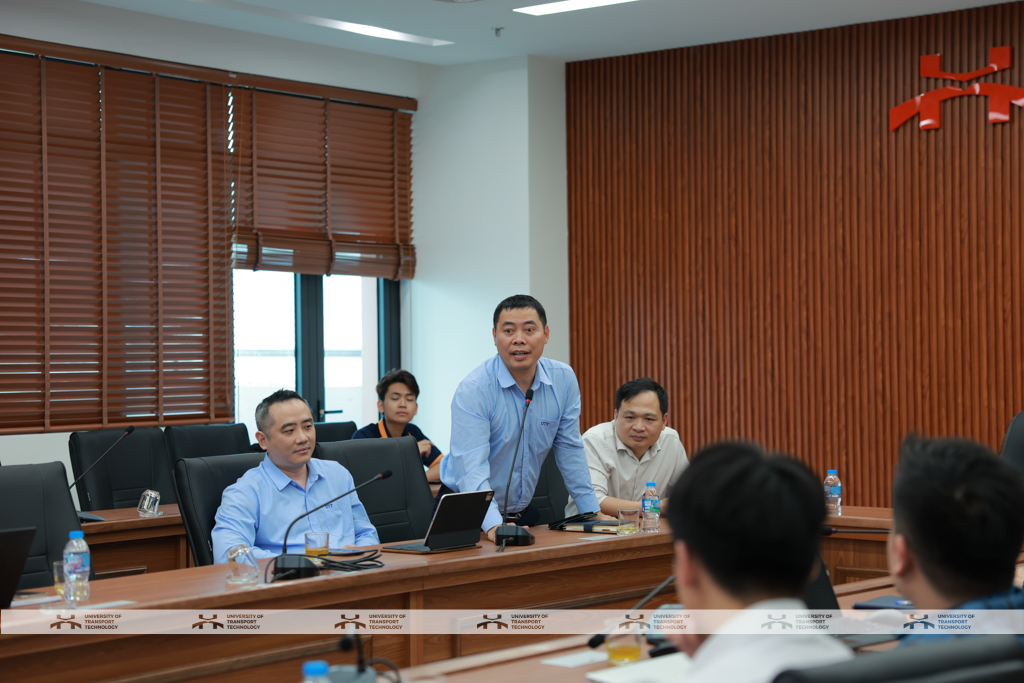
Discussion sessions at the workshop were lively, with numerous exchanges on the applicability of technologies such as ITS, IoT, and blockchain in Vietnam’s practical conditions. Participants focused on analyzing implementation feasibility, data requirements, human resources, and the need to improve institutional frameworks and inter-agency coordination mechanisms.
.jpg)
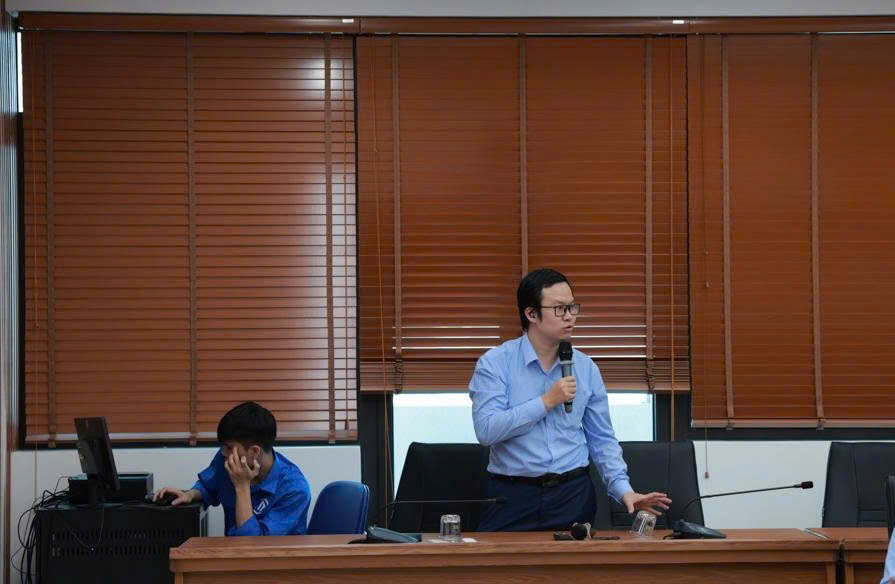
Delegates contributed opinions at the workshop.
The workshop concluded successfully, generating various proposals for research directions and cooperation between the University, regulatory agencies, research institutes, and enterprises. These outcomes contribute to promoting scientific research, technology transfer, and the training of high-quality human resources in the fields of construction and transport infrastructure.
.jpg)
Delegates took commemorative photos.
University of Transport Technology (UTT)


