


Functions and Responsibilities of the Department of Academic Affairs
1. Functions
The Department of Academic Affairs serves as an advisory body to the Rector in organizing and managing undergraduate education; student recruitment; academic administration; political, ideological, moral and lifestyle education; student support services; and communication activities of the University.
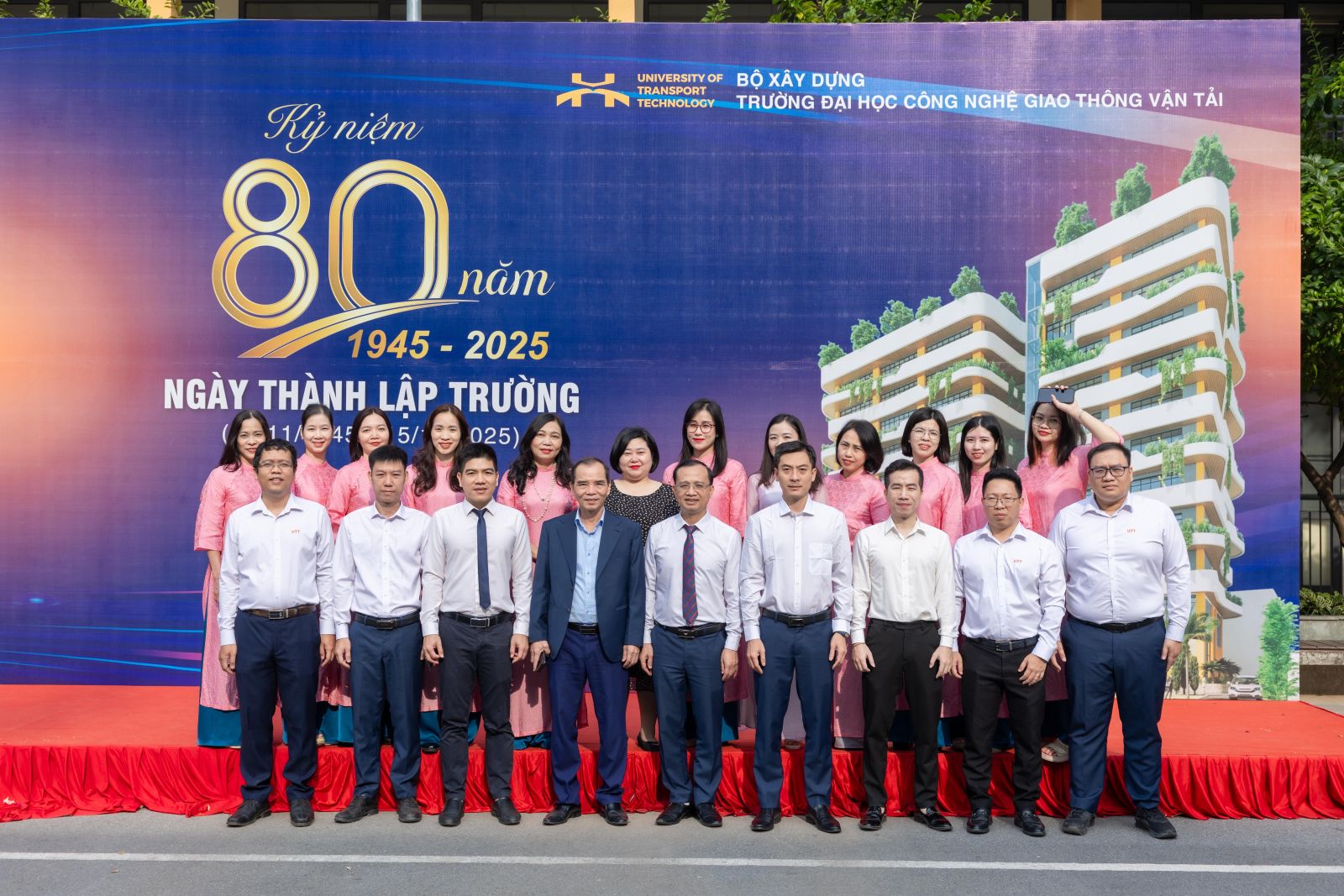
2. Duties
a) Undergraduate admissions
- To advise the Rector on the development of regulations, policies, plans and implementation of undergraduate admissions in accordance with the regulations of the Ministry of Education and Training and the University;
- To organize and implement admission activities in compliance with approved plans and regulations.
b) Organization and management of undergraduate education
- To take the lead in developing academic plans, scheduling, and supervising the implementation of annual training plans approved by the Rector;
- To develop, revise and improve training curricula; manage training quality and ensure compliance with teaching regulations;
- To manage the development, appraisal, acceptance and settlement of teaching materials, textbooks, reference books and learning resources for undergraduate programs;
- To develop proposals on tuition fees and organize the collection of tuition in accordance with regulations;
- To manage academic progress including academic warnings, suspension, termination of study, eligibility for graduation projects/theses, and recognition of graduation in accordance with training regulations;
- To manage academic records, issue diplomas and certificates, and provide academic transcripts in accordance with current regulations;
- To manage teaching workload assignments and consolidate teaching workload statistics for academic staff for remuneration and annual evaluation purposes;
- To manage contracts with visiting lecturers;
- To draft and submit for approval regulations and documents related to academic affairs;
- To organize academic conferences, seminars and professional meetings related to training activities.
c) Political, ideological, ethical and lifestyle education for students
- To develop and implement programs on political education, ideology, tradition, and civic awareness; disseminate policies and laws of the State; monitor and assess students’ ideological developments and provide timely guidance;
- To educate students on ethics, lifestyle, culture, professional conduct and social responsibility; provide legal, psychological and social counseling services;
- To conduct legal education and awareness programs on law compliance, traffic safety, drug prevention, HIV/AIDS prevention and other social issues;
- To organize extracurricular, cultural, sports and experiential activities; promote healthy lifestyles and physical well-being.
d) Student affairs management
- To implement policies on scholarships, tuition exemptions, social allowances and other student benefits;
- To coordinate admission procedures, class organization, and appointment of academic advisors;
- To manage student records, issue student ID cards, and maintain student databases;
- To process academic documentation, certifications and confirmations for students;
- To coordinate with academic units in monitoring student academic performance, disciplinary actions and academic probation;
- To organize commendation and disciplinary procedures in accordance with regulations;
- To manage dormitory and off-campus student affairs;
- To coordinate with relevant units in handling issues related to student conduct and discipline.
e) Student support and services
- To provide academic advising, career guidance, employment counseling and job placement support;
- To coordinate with relevant units in organizing health check-ups and healthcare services for students;
- To manage health insurance enrollment and related procedures;
- To organize extracurricular activities, student clubs and community engagement programs;
- To support disadvantaged students and manage scholarship and financial aid programs.
f) Communication and outreach
- To manage and implement communication activities and branding for the University;
- To develop, manage and update the University’s official websites and communication channels;
- To manage media relations and coordinate communication campaigns;
- To organize and support events, ceremonies and outreach activities;
- To serve as the focal point for cooperation with media agencies and public relations organizations.
3. Organizational Structure and Personnel
- Head of Department: Dr. Ngô Quốc Trinh
- Deputy Heads of Department:
- MSc. Nguyễn Thị Đức Hạnh
- PhD. Phạm Quang Dũng
- Total staff: 26
Address:
Email:


