


Seminar “From Silicon Crystals to the Pulse of Telecommunications”: Opening New Perspectives on the Digital Technology Era
On April 20, the Faculty of Information Technology, University of Transport Technology (UTT), organized a seminar titled “From Silicon Crystals to the Pulse of Telecommunications,” attracting strong interest from lecturers and students majoring in Electronic and Telecommunications Engineering Technology.
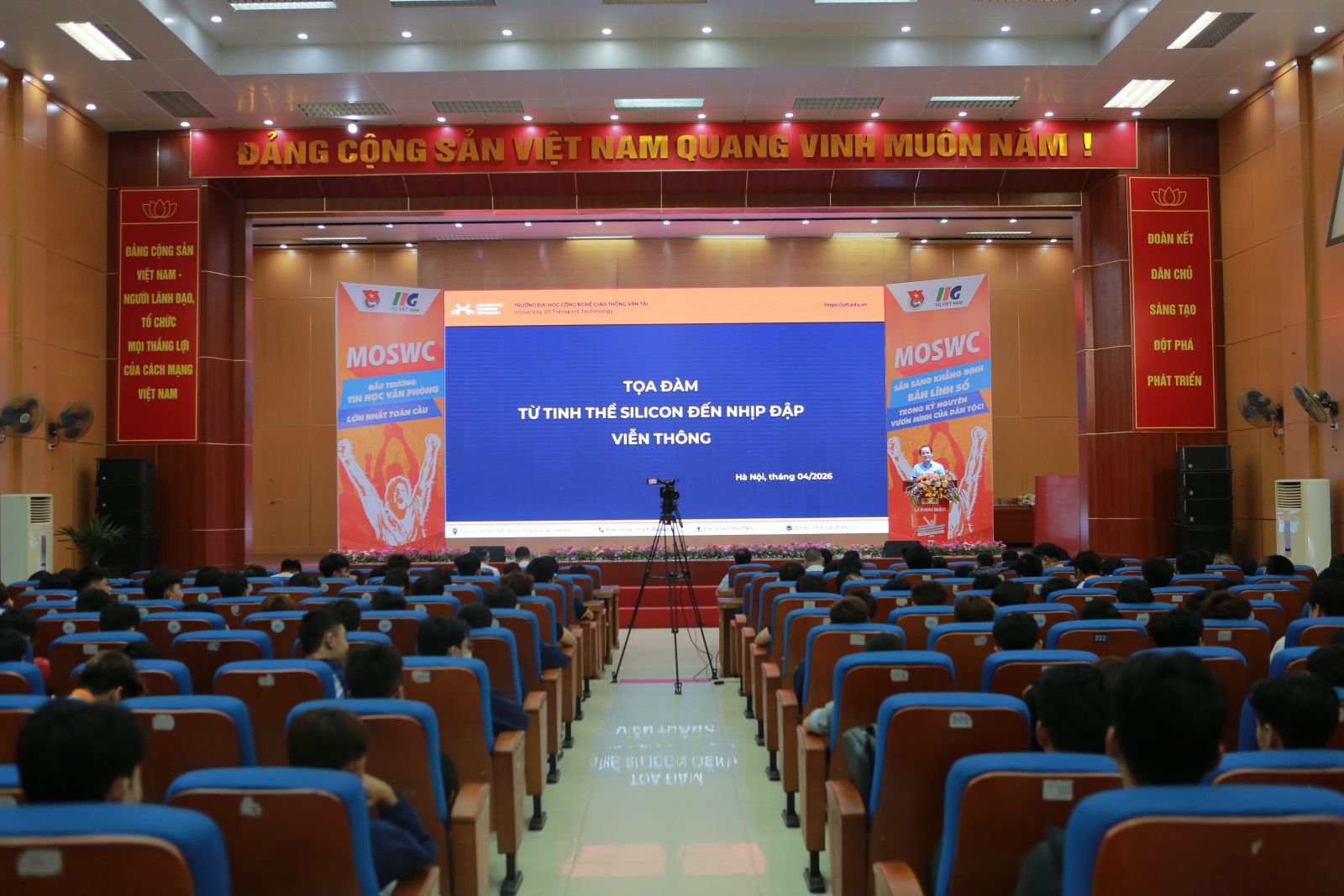
Attending the event were distinguished guests, including: Assoc. Prof. Dr. Nguyễn Đức Trung Kiên – Deputy Head of the Science and Technology Department, Phenikaa University; Assoc. Prof. Dr. Nguyễn Ngọc Mai Khanh – Semiconductor IC expert, California State University, San Jose (San Jose State University); Mr. Nguyễn Bá Biền – Director of BYTECH Vietnam Joint Stock Company; Mr. Nguyễn Sinh Dũng – Director of Viettel Construction Hanoi Branch; and Mr. Trương Hữu Đức – Head of Training Department, Viettel Construction Joint Stock Corporation. Representing UTT were Assoc. Prof. Dr. Vũ Ngọc Khiêm – Standing Vice Rector; Dr. Lê Chí Luận – Dean of the Faculty of Information Technology; Dr. Đỗ Xuân Thu – Vice Dean of the Faculty; leaders of the Electronics and Telecommunications Division; along with numerous lecturers and K76 students of Electronic and Telecommunications Engineering Technology.
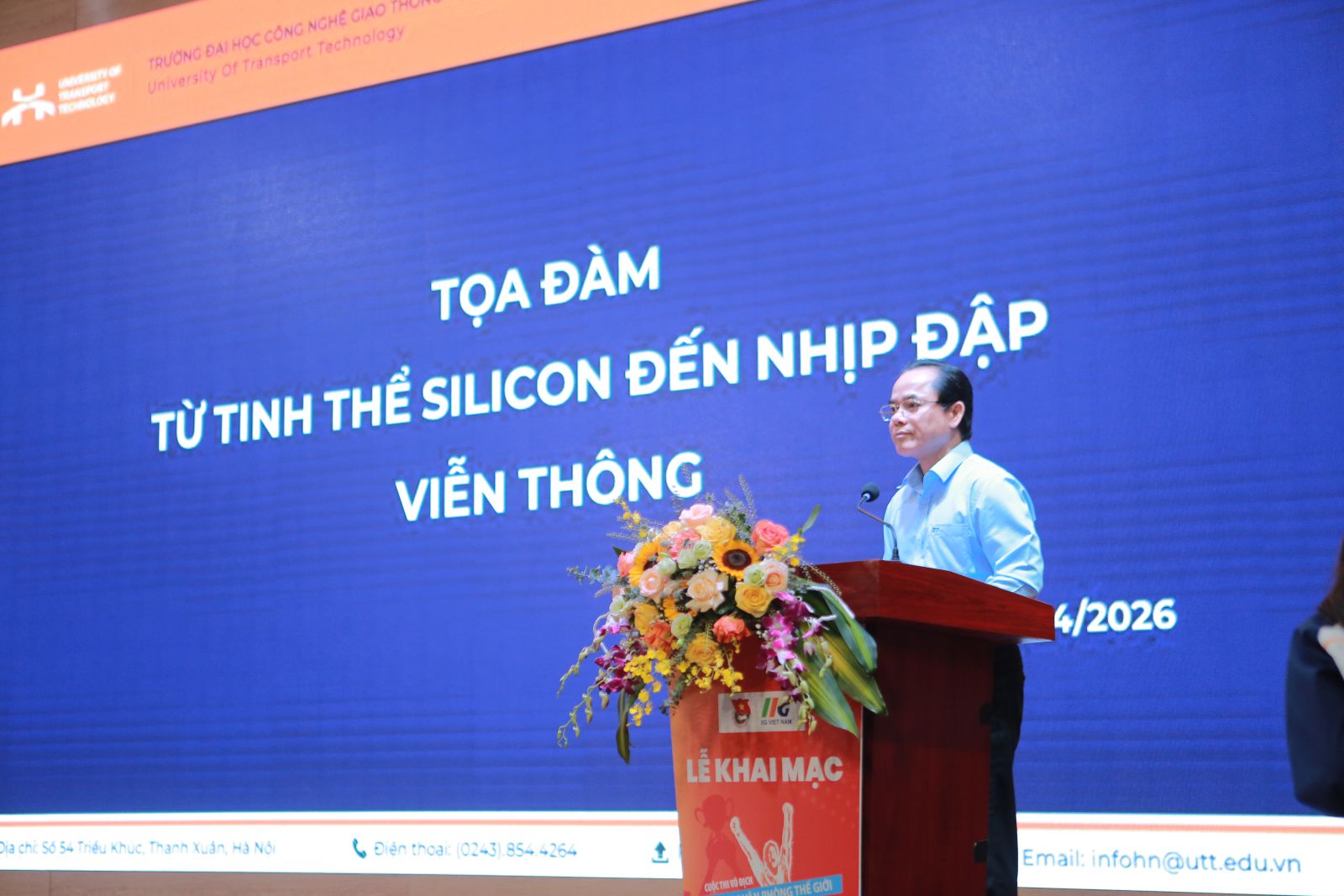
Assoc. Prof. Dr. Vũ Ngọc Khiêm – Standing Vice Rector delivering remarks at the seminar
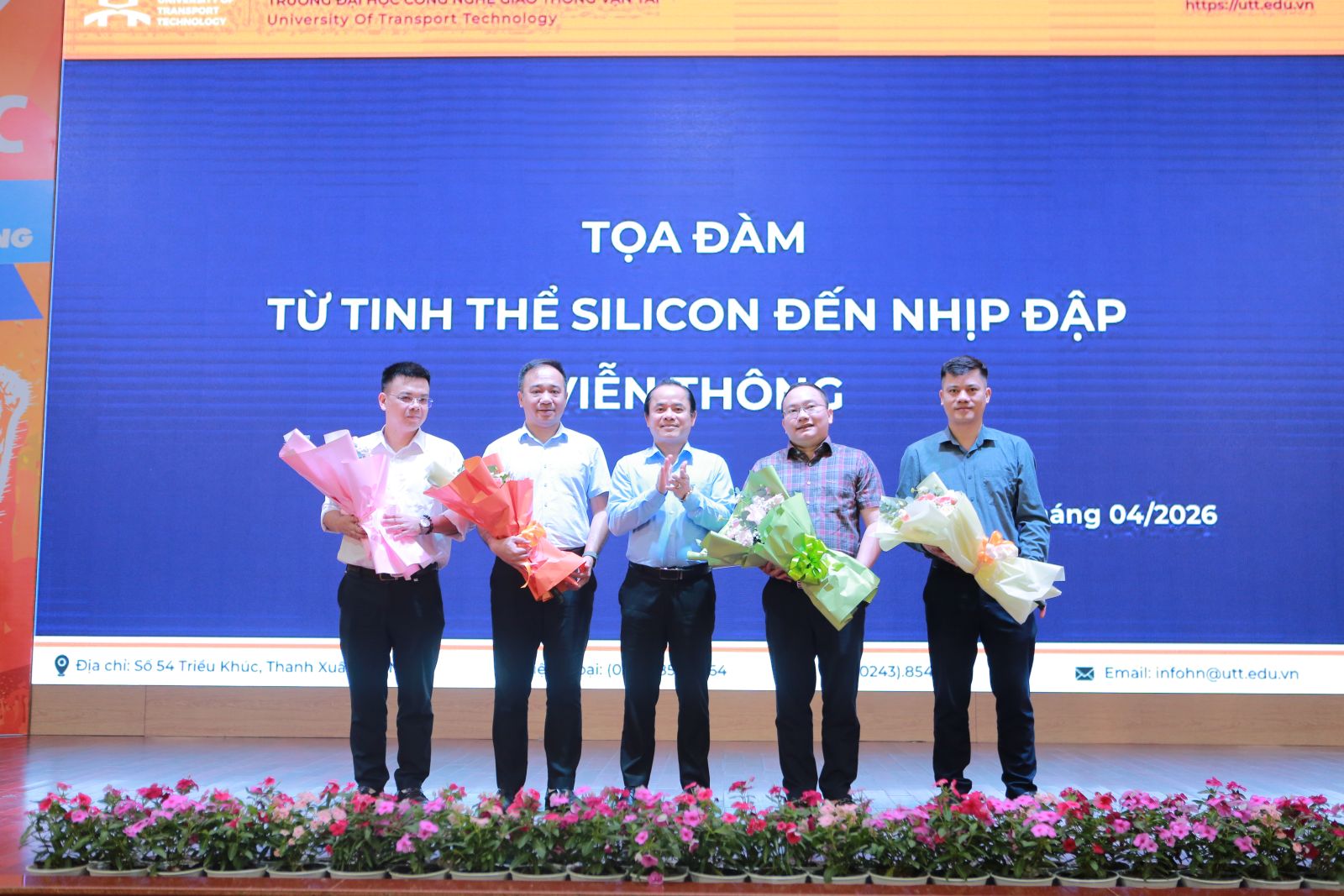
Assoc. Prof. Dr. Vũ Ngọc Khiêm presenting flowers to the speakers
In his presentation, Assoc. Prof. Dr. Nguyễn Đức Trung Kiên provided an overview of semiconductor integrated circuit (IC) design— the foundational technology of all modern electronic devices. From groundbreaking inventions such as the transistor (1947) and integrated circuits (1958), the semiconductor industry has continuously evolved following Moore’s Law, with transistor density doubling approximately every 18 months. He also analyzed the IC design process from frontend to backend, including logic verification, synthesis, physical design, and the role of Electronic Design Automation (EDA) tools. Notably, the application of artificial intelligence (AI) and large language models (LLMs) in IC design was highlighted as an inevitable trend, posing new requirements for high-quality human resources.
.
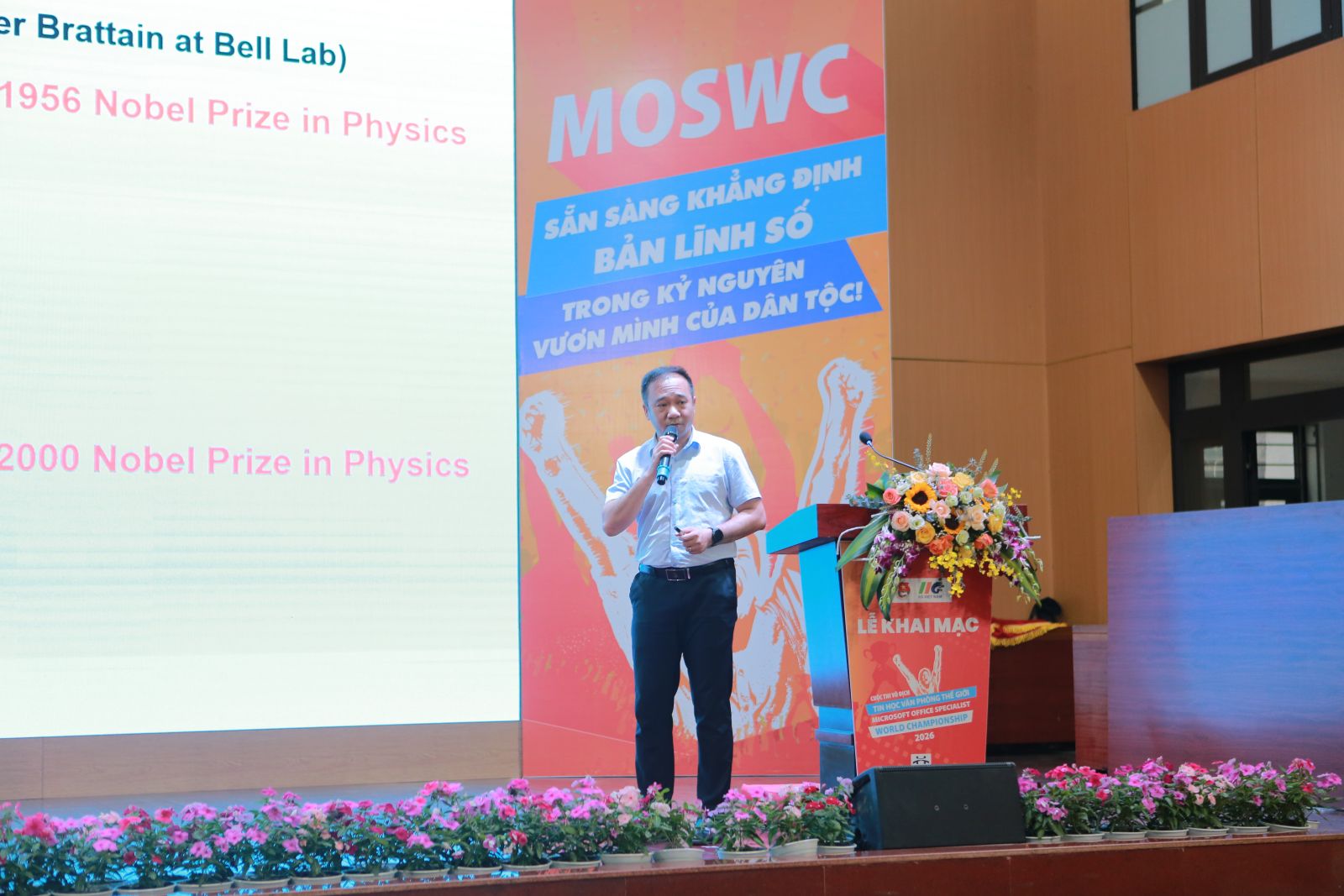
Assoc. Prof. Dr. Nguyễn Đức Trung Kiên sharing at the seminar
Continuing the program, Assoc. Prof. Dr. Nguyễn Ngọc Mai Khanh shared insights on career orientation and international study opportunities. Drawing on his experience leading 3nm chip design projects at Marvell and conducting research at the University of Tokyo, he emphasized Vietnam’s strategic position in the global semiconductor supply chain. He also introduced practical applications of AIoT chips in smart agriculture in Vietnam, demonstrating that semiconductors are not merely chips but part of a comprehensive ecosystem from design to real-world application.
From an industry perspective, Mr. Nguyễn Bá Biền provided practical insights into learning approaches, working methods, and labor market expectations for graduates in the AI era. According to him, AI is transforming not only how people work but also how they learn. Students need to shift from passive to active learning, adopt project-based learning instead of isolated subjects, and effectively use AI as an “assistant” to support thinking and problem-solving.
He also noted that businesses today seek not only technical knowledge but also practical working ability, adaptability, and problem-solving skills. Career pathways in the electronics and telecommunications field—from fresher to senior to expert—were clearly outlined, emphasizing the importance of building a solid foundation and gaining experience through real-world projects.
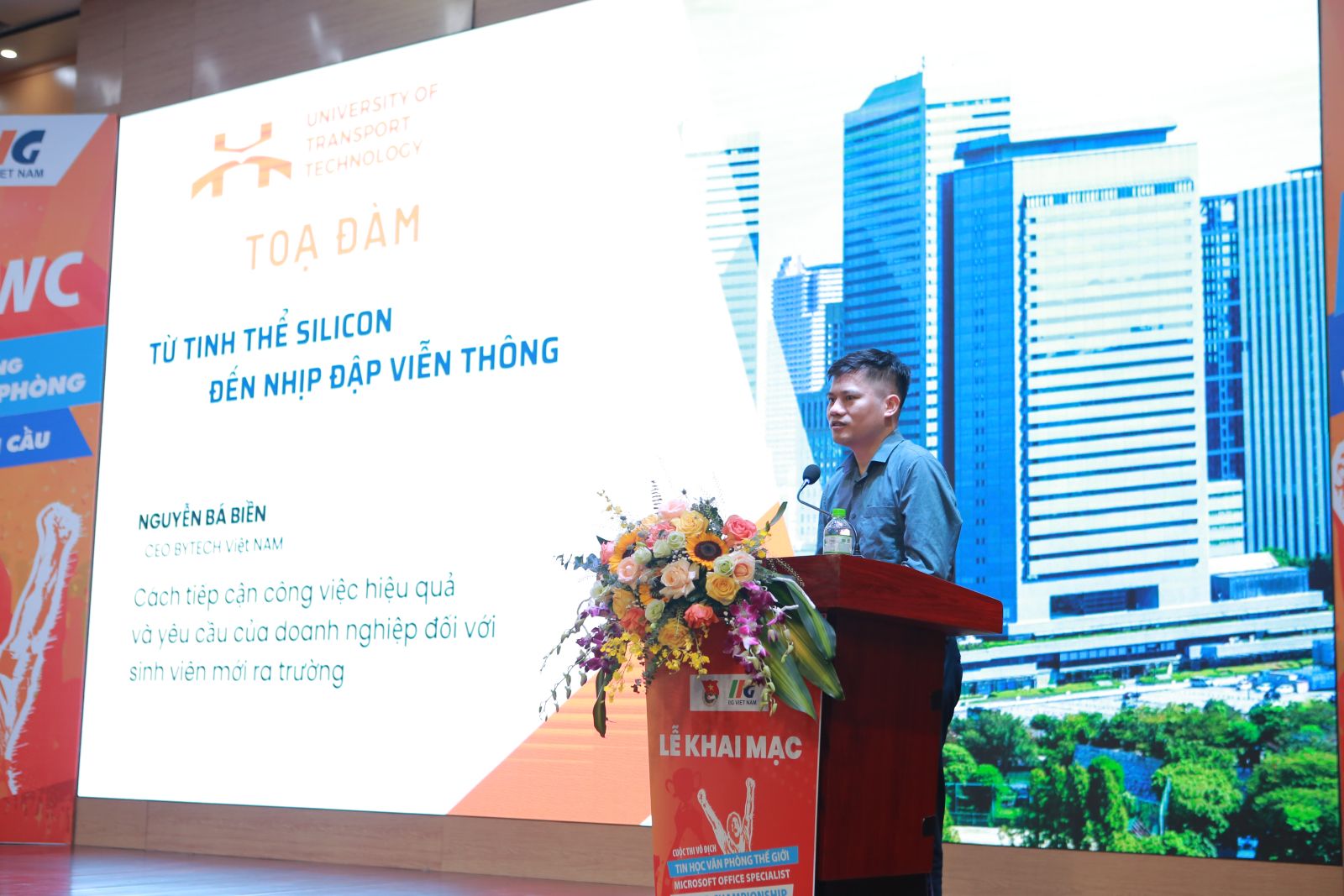
Mr. Nguyễn Bá Biền – Director of BYTECH Vietnam sharing at the seminar
Regarding telecommunications, Mr. Nguyễn Sinh Dũng and Mr. Trương Hữu Đức updated participants on career development trends. The experts affirmed that electronics and telecommunications serve as the “pulse” connecting the world and encouraged students to proactively bridge the gap between academia and practice by engaging in real projects as early as possible.
In addition, experts and business representatives engaged in lively discussions with students on career opportunities in semiconductor ICs, telecommunications infrastructure, and the essential skills required to meet the growing demands of the labor market in the context of digital transformation.
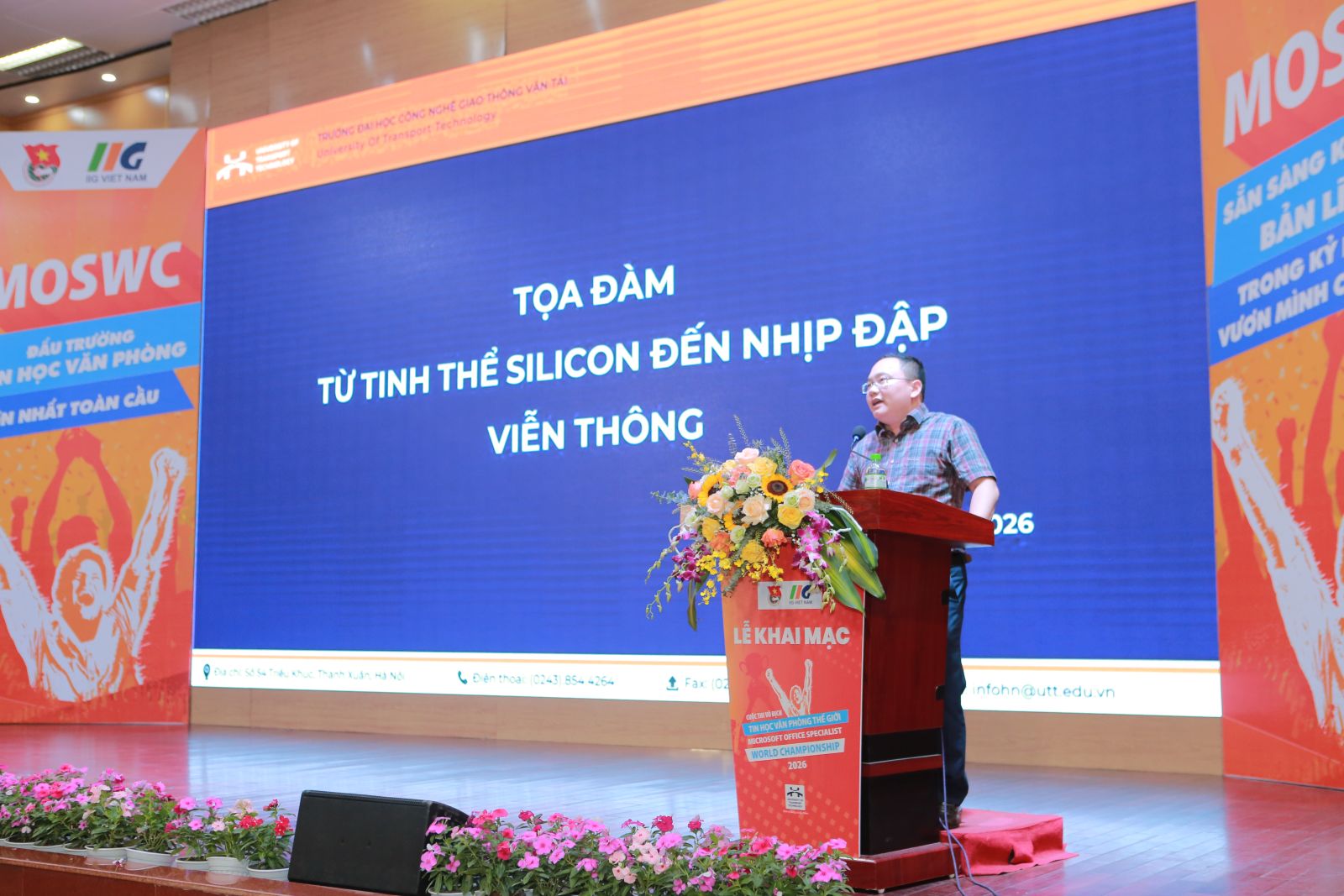
Mr. Nguyễn Sinh Dũng sharing at the event
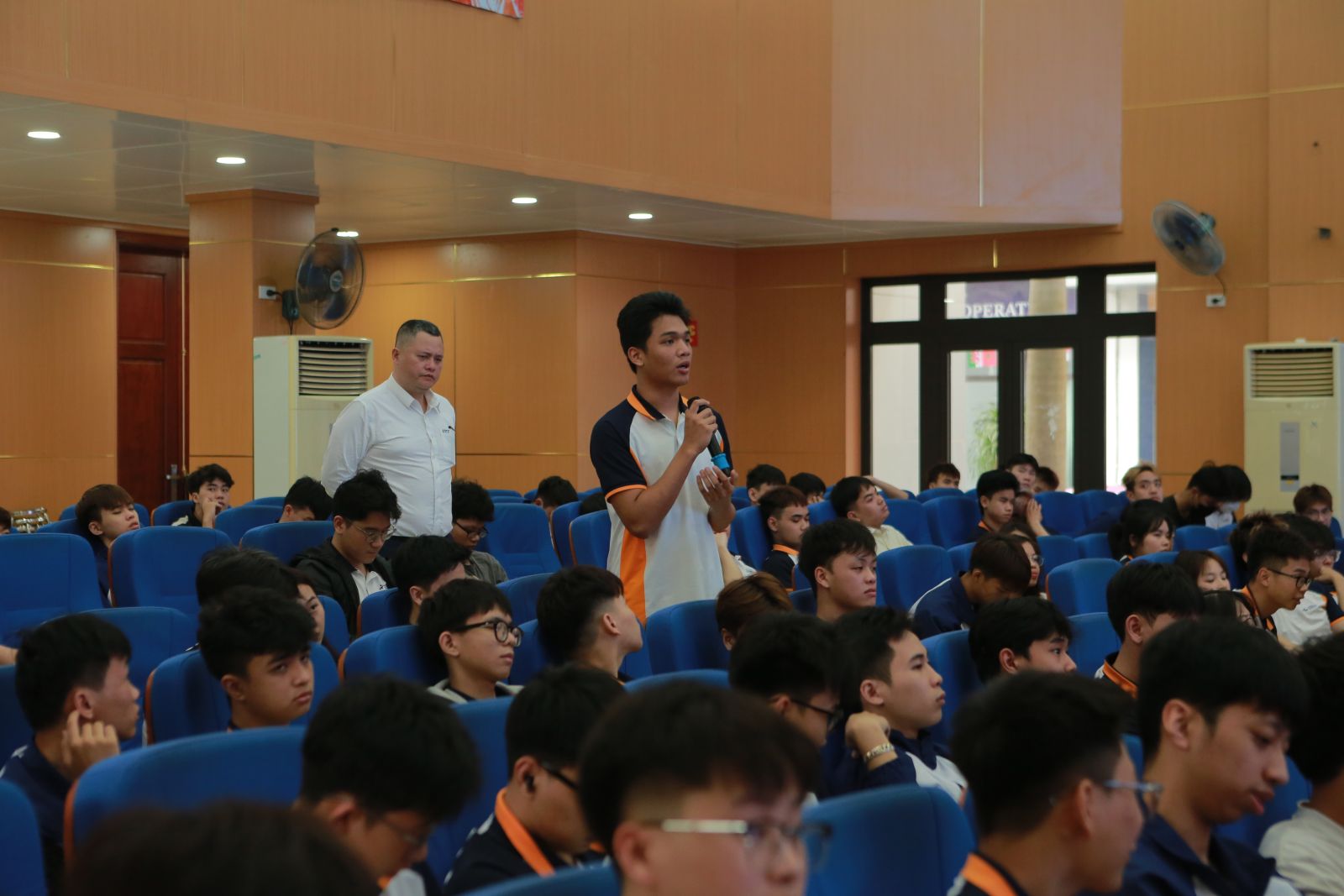
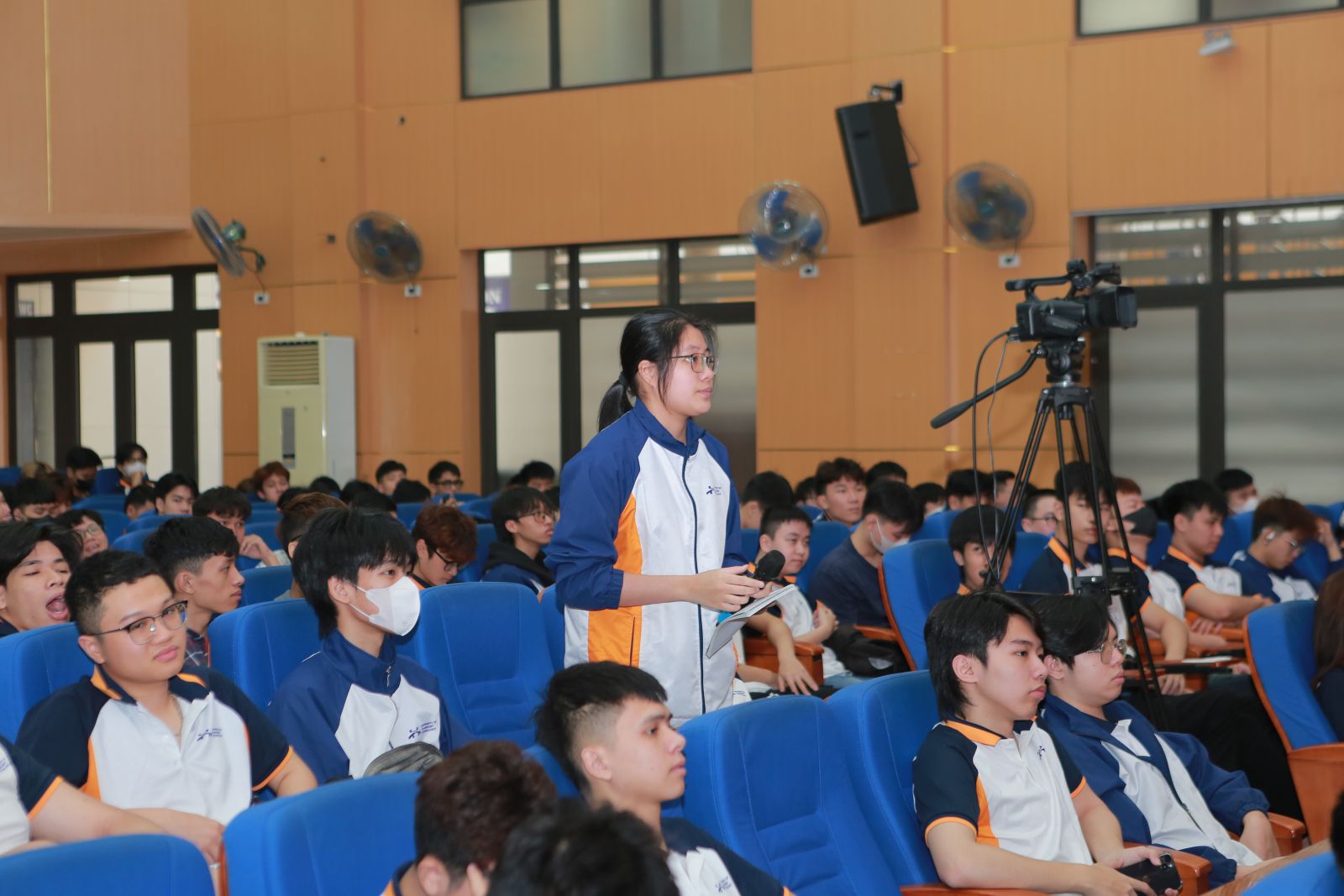
Students interacting and asking questions to the speakers
Following the discussion session, students participated in hands-on experiential activities, including AR/VR semiconductor technology demonstrations provided by Letuin Edu Vietnam and exploration of a solar-powered vehicle from Viettel Construction Joint Stock Company.
The seminar not only helped students better understand technological trends—from “silicon crystals,” the foundation of microchips, to the “pulse of telecommunications,” the global connectivity system—but also contributed to shaping their learning mindset, enhancing adaptability, and preparing them for integration into the future labor market.
University of Transport Technology (UTT)


